




Uganda has made measurable progress in the fight against tuberculosis over the past decade but that progress is now at serious risk. A combination of shrinking international donor support and persistent structural gaps in health financing is threatening to reverse hard-won gains in TB diagnosis, treatment, and surveillance.
A Funding Landscape Shifting Beneath Our Feet
Globally, TB financing has stagnated at critically low levels. In 2024, only US$5.9 billion was available worldwide for TB prevention, diagnosis, and treatment just over a quarter of the US$22 billion annual target set for 2027. The consequences of this gap are stark: modelling studies have warned that long-term cuts to international donor funding could result in up to 2 million additional deaths and 10 million people falling ill with TB between 2025 and 2035 (European AIDS Treatment GroupEuropean AIDS Treatment Group).
Uganda is not insulated from these global pressures. Donor support contributed up to 49 percent of Uganda’s health sector funding in 2022, when external funding stood at UGX 2.3 trillion. By 2025, that figure had declined to UGX 1.3 trillion – a drop of more than half in just four years, leaving deep structural vulnerabilities across the health system. Monitor
The Global Fund Picture
Uganda remains a major recipient of Global Fund support for TB, HIV, and malaria programmes. The Global Fund has committed US$521 million; approximately UGX 1.9 trillion to Uganda for the period 2026 to 2028. While substantial, this represents a reduction from the previous grant cycle, which was approximately US$80 million higher. Every dollar less translates directly into fewer tests conducted, fewer patients reached, and fewer lives saved. MonitorMonitor
Uganda’s Own Vulnerabilities
The funding crunch arrives at a difficult moment. Uganda records approximately 90,000 TB cases annually, with over 10,000 deaths each year. Among the 30 high TB burden countries, Uganda has one of the lowest social protection coverage rates just 3.1% – meaning that most TB patients have little to no financial safety net to support them through treatment. who
WHO has convened high-level meetings with Uganda’s Ministry of Health leadership to share analysis on the consequences of declining donor funding and to identify viable policy reforms focused on reducing donor dependency and strengthening domestic resource mobilisation. WHO
What NTRL Is Doing
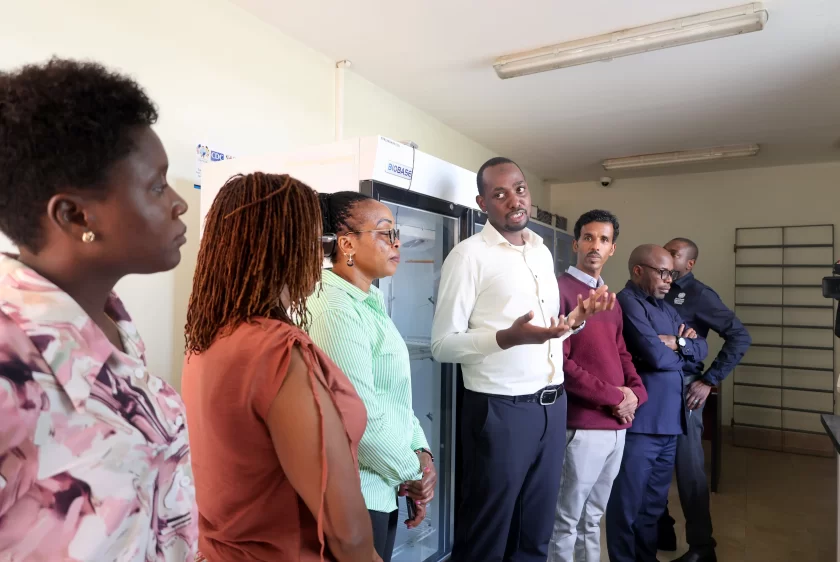
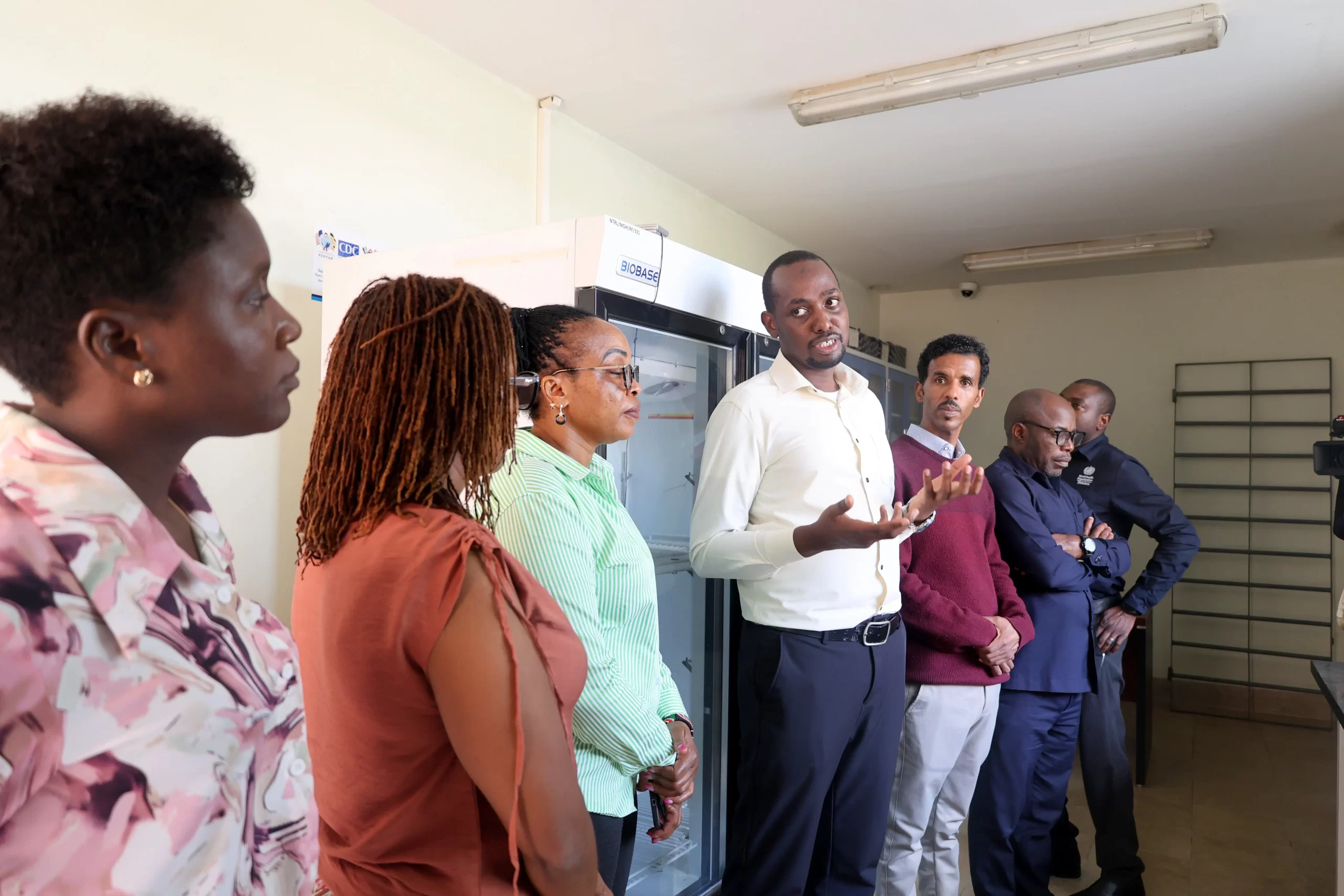
Despite the funding pressures, the National Tuberculosis Reference Laboratory continues to strengthen Uganda’s diagnostic backbone. As a WHO-accredited Supranational Reference Laboratory since 2013, NTRL supports quality TB testing across the country and the broader region training laboratory personnel, rolling out new diagnostic technologies, and maintaining the standards that underpin Uganda’s TB response.
This month, NTRL hosted laboratory and programme managers from 23 countries for an International EQA Training, reinforcing its role as a centre of excellence even as the funding environment tightens.
The Path Forward
The message from experts is clear: Uganda cannot afford to let donor dependency determine the fate of its TB response. Domestic financing must grow. Community awareness must deepen. And institutions like NTRL must continue to be supported as cornerstones of a health system that can stand on its own feet.
TB is preventable. TB is curable. But only if the systems to diagnose and treat it remain functional, funded, and accessible to every Ugandan who needs them.
August 2026.


